
Why Choose M&Y for a Truck Blind Spot Accident Claim?
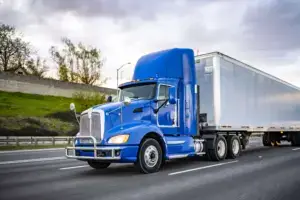 Blind-spot crash claims hinge on competing versions of what each driver saw and did before the collision. M&Y’s former insurance defense attorneys know what questions adjusters ask about vehicle positioning, mirror checks, and lane-change timing — because we used to work on that side of the table.
That perspective shapes how we build these cases. We review dashcam footage, physical damage patterns, witness statements, and electronic data to test the truck driver’s account rather than accepting it at face value.
That depth of preparation takes resources. M&Y brings more than 100 years of combined legal experience and a team exceeding 100 employees to every case — which matters when a blind spot claim involves competing accounts, multiple parties, and time-sensitive evidence.
The firm has recovered over $1 billion for California injury victims, and our attorneys have earned recognition from The National Trial Lawyers Top 100, Thomson Reuters Super Lawyers, and the Multi-Million Dollar Advocates Forum. Over 1,400 former clients have left five-star reviews.
Every case is managed by an attorney from intake through resolution, not handed off to a paralegal or case manager. Our offices on Wilshire Boulevard and South Figueroa Street serve clients throughout Southern California, and consultations are available 24/7. M&Y operates on a contingency fee — you pay no attorney fees unless we recover compensation.
Contact us or call 866-864-5477 for a free case review.
What Happens When a Truck Driver Says They Never Saw Your Vehicle?
A truck driver’s statement that they did not see the vehicle does not resolve fault by itself. A blind spot describes a visibility limitation. It does not excuse an unsafe lane change, merge, or turn.
California law places a clear obligation on every driver, including commercial truck operators, to verify that a lane movement is safe before executing it. Vehicle Code § 22107 prohibits turning or moving right or left on a roadway until the movement can be made with reasonable safety and requires an appropriate signal when another vehicle may be affected.
That means the investigation focuses on what the truck driver did before moving. The questions are practical:
- Did the driver check the mirrors?
- Did the driver signal?
- Did the driver have enough time to identify surrounding traffic before changing lanes?
Does a Blind Spot Remove the Truck Driver’s Responsibility?
A blind spot does not remove the truck driver’s responsibility to check before changing lanes, merging, or turning. Truck drivers operate vehicles with known visibility limitations. The FMCSA identifies significant blind spots around the front, rear, and sides of large commercial trucks — areas the agency calls “No-Zones.”
The front, rear, driver-side, and passenger-side blind spots all hide nearby vehicles from the truck driver’s view. Side blind spots become especially important during lane changes and merges.
FMCSA specifically instructs commercial drivers to monitor their No-Zones and check mirrors before changing lanes, turning, or merging. A driver’s claim that they never saw the smaller vehicle therefore raises an important question about the observations made before the maneuver.
How Do Truck Blind Spot Crashes Happen?
Blind spot collisions follow recognizable patterns. The type of crash affects the core fault question and the evidence needed to resolve it.
|
Blind-Spot Crash Situation |
Core Fault Question |
Evidence That Helps Resolve It |
|
Truck changes lanes into a car |
Did the driver check before moving? |
Video, witnesses, damage pattern, lane position |
|
Truck merges onto a freeway |
Where were both vehicles as the merge began? |
Dashcam, traffic cameras, electronic data, witnesses |
|
Truck makes a wide right turn |
Was a vehicle already beside the truck? |
Video, impact location, turn-signal evidence |
|
Truck sideswipes a motorcycle |
Was the motorcycle reasonably visible before the maneuver? |
Helmet cam, witnesses, vehicle damage, surveillance |
|
Carrier blames the smaller vehicle |
Did both drivers contribute to the crash? |
Full crash reconstruction and comparative-fault analysis |
Each of these situations involves a truck moving into space occupied by another vehicle. The central question is always the same: what did the truck driver know, or have the opportunity to know, about surrounding traffic before beginning the maneuver?
What Makes Wide-Turn Blind Spot Crashes Different?
 When a semi-truck makes a wide right turn, the tractor may move left to create enough turning room while the trailer tracks closer to the curb. A vehicle positioned to the right of the truck — at an intersection, in a bike lane, or in an adjacent travel lane — faces the risk of being struck or trapped by the trailer.
Vehicle Code § 22108 requires a continuous signal for the last 100 feet before a turn. Whether the truck driver signaled, checked the right-side mirrors, and identified vehicles beside the trailer before beginning the turn all factor into the investigation.
What Compensation Do People Pursue After a Truck Blind Spot Crash?
 Truck collisions produce serious injuries because of the substantial weight difference between commercial trucks and passenger vehicles. The FMCSA notes that large trucks are often 20 to 30 times heavier than the cars around them. That weight disparity increases the risk of severe crash damage and injuries for people in smaller vehicles.
The compensation an injured person pursues after a truck blind spot accident depends on the documented losses the crash caused:
- Medical expenses for emergency care, surgery, hospitalization, and rehabilitation
- Future medical treatment when long-term care is supported by medical evidence
- Lost income and reduced earning capacity
- Pain, suffering, and diminished quality of life
- Permanent disability, scarring, or disfigurement
- Vehicle and property damage
Each category requires supporting documentation. Medical records, employment verification, and treatment projections all contribute to establishing the claim’s value. An insurer’s initial offer does not always reflect the full scope of injuries, especially when long-term treatment is still underway.
Ready to Discuss Your Truck Blind Spot Accident Claim?
 Being told you were “in the blind spot” does not answer whether the truck driver took the steps California law requires before changing lanes, merging, or turning. That answer comes from the evidence, and getting to that evidence starts with a conversation.
M&Y Personal Injury Lawyers has recovered over $1 billion for California accident victims. Our former insurance defense background means we understand the arguments adjusters raise about visibility, lane position, and fault. An attorney handles every case, and you pay no attorney fees unless we recover compensation.
Contact M&Y Personal Injury Lawyers or call 866-864-5477 for a free consultation. We are available 24/7.
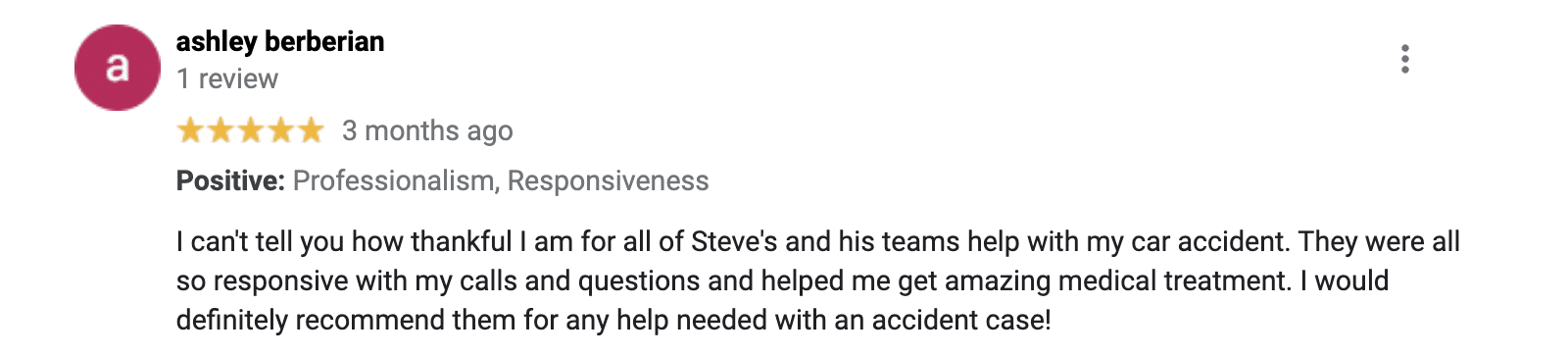
What Our Clients Say About Us – Client Review
https://goo.gl/maps/hiKpNX8D5Gkh4KZ58
Read more of our reviews here.