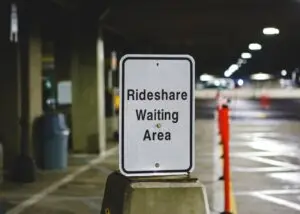
 Rideshare collisions injure four kinds of people, and each stands in a different legal position. Passengers hold the strongest ground, since they almost never share fault and sit squarely inside Period 3’s coverage. Occupants of other vehicles claim against whichever coverage the period assigns, and their cases often involve a fault dispute between the rideshare driver and their own.
Pedestrians and cyclists struck by rideshare vehicles make up a growing share of these cases in Los Angeles, where pickups and drop-offs happen mid-block, in bike lanes, and against red curbs all day long. Their personal injury claims follow the same period framework, with the added question of whether the stopping or turning maneuver itself violated traffic law.
The rideshare drivers themselves round out the list, and their position is the most complicated. A driver hurt by someone else’s negligence claims against the at-fault motorist. We also look at whether the platform’s occupational accident coverage applies, since a personal insurer often wants nothing to do with a commercially used vehicle. We represent people in all four positions, and the strategy differs for each.
Why Los Angeles Produces So Many Rideshare Collisions
 This city runs on rideshare at a scale few places match, and the crash volume follows the ride volume. Tens of thousands of drivers work Los Angeles streets on any given day, concentrated exactly where driving is hardest: LAX’s arrivals chaos, the nightlife corridors of Hollywood and Downtown, and the venue crowds around SoFi, Crypto.com Arena, and Dodger Stadium. A city with no dominant transit habit turned rideshare into core infrastructure, and infrastructure generates casualties.
The work itself adds risk on top of volume. Rideshare driving means navigating by a phone mounted inches from the wheel, hunting unfamiliar addresses, stopping wherever a pin drops, and earning more by driving more, which pushes long shifts into fatigue territory. Late-night hours compound it, since the platforms’ busiest windows overlap with the hours when impaired drivers share the road.
None of these excuses is for any individual crash, and we do not frame it that way. It explains why pickup zones, curb lanes, and left turns across traffic appear over and over in our rideshare files, and why we investigate the working conditions behind a crash, hours logged, trips completed, app interactions, alongside the crash itself.
What Should You Do After a Rideshare Accident in Los Angeles?
 Treat it as a real crash from the first minute, because the casual feel of a rideshare trip leads people to under-react. If you are able, take these steps:
- Call 911 and accept medical evaluation, then follow up with a doctor within a day, even if you feel intact.
- Screenshot everything in the app: the trip screen, the driver’s name and vehicle, the route, and the receipt, since this is your independent record of the period.
- Photograph the vehicles, plates, scene, and your injuries, and collect witness contacts.
- Report the crash through the app so the platform’s own records reflect it, but keep the description factual and brief.
- Exchange information with every driver involved, as state law requires.
- Decline recorded statements from any insurer, including the platform’s carrier, until you have counsel.
The screenshots matter more than people expect. App records can be requested later, but your own contemporaneous captures are immune to access disputes and delays.
The Compensation a Rideshare Claim Can Recover
 The categories match any serious injury case, and the available coverage is often larger than a typical auto claim. A complete demand covers emergency and ongoing medical care, future treatment for lasting injuries, lost income and reduced earning capacity, and the pain, limitation, and disruption the crash introduced into your life. Where a crash proves fatal, the family’s wrongful death claim covers the support and companionship taken losses our team accounts for when building a claim after rideshare accident injuries change what a family can recover.
Two features of rideshare coverage change the math. The $1 million policies in Periods 2 and 3 mean serious injuries are less likely to be capped by thin limits, and the uninsured motorist layer in Period 3 protects passengers even when the at-fault party is a hit-and-run driver or carries state minimums. Claims must still be proven at full value, and that is the work.
California’s deadline applies throughout: generally two years from the crash under Code of Civil Procedure Section 335.1. The digital evidence decays far faster than the deadline, so the practical clock is much shorter.
What if the Rideshare Driver Was the One Who Got Hurt?
Drivers hold real claims, too, and they arrive in our office with the most tangled versions of these cases. A driver injured by another motorist’s negligence claims against that motorist like anyone else, with the ride-period underinsured motorist coverage potentially standing behind a thin at-fault policy during active trips. The platforms also maintain occupational accident coverage for on-trip injuries, a benefits layer with its own claim procedures and limits.
The complications are structural. As independent contractors, drivers generally stand outside workers’ compensation, their personal auto policies exclude anything connected to commercial driving, and an injury also stops the income the driving produced, with no employer continuing a paycheck. Documenting earnings across apps, using the platforms’ own records, becomes part of proving the loss.
We represent drivers with the same rigor as anyone else these crashes injure. The person behind the wheel for a living needs a claim built to the full loss, including every week the injury kept the app switched off.
One Timestamp Decides Your Coverage. Let’s Pin It Down
 Somewhere in a server log is the data that determines whether your crash carries $1 million in coverage or a fraction of it, and that data will not wait politely. M&Y Personal Injury Lawyers secures it, sorts the insurers into their proper places, and builds the injury case on top, all at no cost to you unless we win.
Call 866-864-5477 any hour, or send us the trip details through our contact page, and we will start with the record that matters most.
What Our Clients Say About Us – Client Review
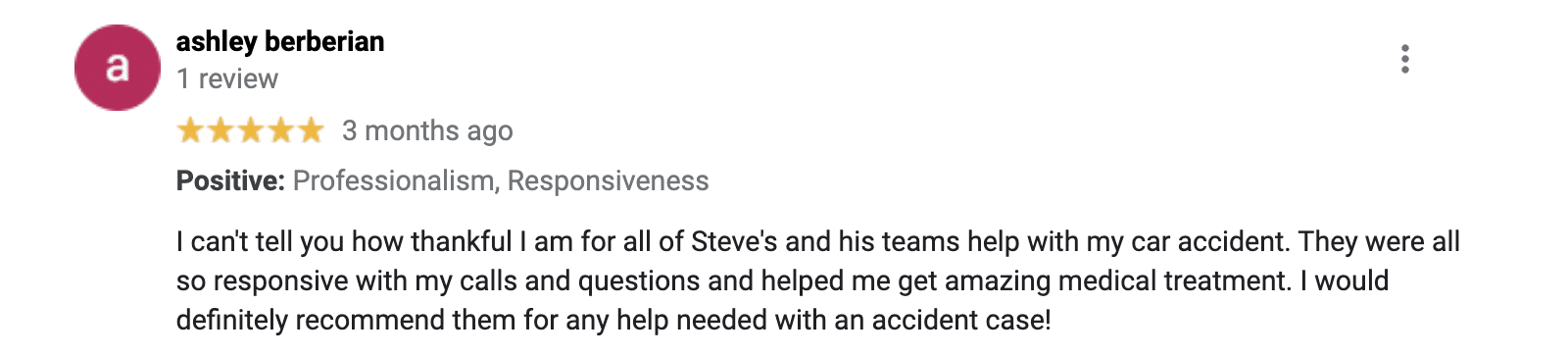
https://goo.gl/maps/hiKpNX8D5Gkh4KZ58
Read more of our reviews here.