
What Makes a Motorcycle Accident Claim Different From a Car Accident Claim?
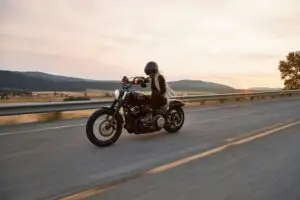 A motorcycle leaves the rider physically exposed. That changes the injury picture, but it also changes the evidence picture.
Passenger-vehicle and motorcycle claims share questions about right of way, unsafe turns, insurance, and driver conduct. A Sacramento car accident lawyer handles those broader collision issues. Motorcycle claims add rider-specific questions involving visibility, lane position, protective gear, and motorcycle movement.
The proof challenges in motorcycle cases separate them from standard vehicle claims:
- When drivers and riders give different accounts, lane position and visibility become disputed facts
- A driver’s statement that they did not see the motorcycle creates a visibility dispute rather than resolving negligence
- Vehicle damage on the motorcycle may not reflect the severity of the rider’s injuries
- Rider conduct, including speed, lane splitting, and licensing, becomes a focus of the liability analysis
- Scene evidence such as scrape marks, debris patterns, and final resting positions helps reconstruct vehicle movement
Each of these issues requires evidence that answers a specific question about movement and timing before impact.
What Evidence Can Be Used to Reconstruct a Sacramento Motorcycle Crash?
 Motorcycle claims turn on movement immediately before impact. The evidence needs to answer a sequence question: who moved where, when, and whether the other party had time and space to react.
Matching evidence to the right disputed question keeps the investigation focused.
|
Question in dispute |
Evidence that addresses it |
What investigators examine |
|
Where was the motorcycle before impact? |
Video, witnesses, road markings, debris |
Lane position and travel path |
|
Did a vehicle move into the rider’s path? |
Impact locations, vehicle damage, video |
Direction and timing of movement |
|
Was the rider’s speed disputed? |
Video, physical evidence, witness accounts |
Whether evidence supports competing speed claims |
|
Did lane splitting contribute to the collision? |
Traffic conditions, vehicle movement, video, witnesses |
Conduct of both rider and surrounding drivers |
|
What injuries resulted from the crash? |
Emergency records, imaging, specialist notes |
Diagnosis, treatment, and medical causation |
For collisions on Sacramento-area freeways, the California Highway Patrol typically investigates and generates the collision report. For city-street crashes, the investigating agency depends on jurisdiction. The collision report, witness statements, photographs, and any available dash-camera or surveillance footage form the starting point.
What Does Physical Evidence Show That Witness Accounts May Not?
Physical evidence from the motorcycle, including scrape locations, deformation patterns, and tire marks, helps reconstruct impact direction and vehicle movement independently of either party’s account.
The location and pattern of damage on both vehicles help investigators evaluate whether the collision occurred during a lane change, a turn, a merge, or a rear-end impact. That physical record exists regardless of what either driver remembers.
Does Motorcycle Licensing Affect an Injury Claim?
California uses Class M1 and M2 licenses for different types of two-wheeled motor vehicles. The California DMV issues M1 and M2 motorcycle licenses based on the type of vehicle the rider is authorized to operate. An M1 authorizes operation of any two-wheeled motorcycle. An M2 covers motorized bicycles, mopeds, and motorized scooters.
Does a Permit Restriction Change the Liability Analysis?
California issues motorcycle instruction permits with specific restrictions. Riders under 21 must hold a permit for at least six months before obtaining a full license. California motorcycle permit rules govern what permit holders are and are not authorized to do.
A licensing violation and collision causation are separate questions. If a restriction relates to the conduct that contributed to the crash, it may become relevant to comparative-fault arguments. A permit issue alone does not prove who caused a left-turn collision or an unsafe lane change.
Does Riding Without the Required Helmet Decide Fault?
California Vehicle Code § 27803 requires motorcycle drivers and passengers on highways to wear a qualifying safety helmet.
Helmet use does not determine whether another driver made an unsafe turn or lane change. If helmet use is relevant to whether a specific head injury was caused or worsened, that involves a fact-specific causation analysis that is separate from the question of who caused the collision itself.
How Are Medical and Work Losses Evaluated After a Motorcycle Crash?
Medical records after a motorcycle crash may document road rash, fractures, orthopedic injuries, spinal injuries, head injuries, or other trauma. Emergency treatment is often just the beginning of a long recovery.
Surgery, rehabilitation, mobility restrictions, and follow-up specialist care extend recovery and increase documented losses. Missed work becomes a larger issue when physical job demands conflict with medical restrictions. Future treatment belongs in claim valuation only when supported by medical evidence.
The documented losses in a motorcycle injury claim may include:
- Medical expenses for emergency care, surgery, rehabilitation, and follow-up treatment
- Lost income from time away from work during recovery
- Reduced earning capacity when injuries limit the ability to return to the same work
- Future medical care when treating physicians support it
- Pain, physical limitations, and changes in daily function tied to the injury
When a settlement offer arrives before treatment is complete, the available medical record may not yet document the full course of recovery or supported future care. A Sacramento motorcycle accident attorney at M&Y reviews the treatment trajectory, work impact, and available evidence before the claimant decides how to respond.
When Does Rider Conduct Become Part of the Fault Dispute?
 Motorcycle fault disputes often focus on specific riding conduct such as speed, lane position, lane splitting, signaling, or following distance. The legal question is whether that conduct contributed to causing the collision or the claimed harm.
California follows pure comparative fault under Li v. Yellow Cab Co. (1975) 13 Cal.3d 804. An injured rider’s share of fault reduces damages proportionally rather than eliminating the claim. Partial responsibility changes the math, not the right to pursue compensation.
That rule makes the evidence especially important. The firm reviews collision reports, witness accounts, physical damage, and available video to respond to rider-conduct arguments with documented facts rather than competing assumptions.
When Does a Motorcycle Claim Become Difficult to Handle Alone?
Motorcycle claims present issues that go beyond a standard fender-bender negotiation. A Sacramento bike crash lawyer becomes especially useful when the facts involve specific proof problems.
The other driver says the rider was speeding, but physical evidence and video suggest otherwise. Lane splitting is being treated as automatic fault even though it is legal under California law. The driver’s lane change or turn is disputed and no independent witness has come forward.
Licensing or helmet compliance is being raised as a liability issue. The rider has serious orthopedic, spinal, or brain injuries requiring extended treatment. More than one insurance policy requires analysis. Each of these situations adds disputed questions that affect the claim’s value and direction.
Call 866-864-5477 to discuss whether legal representation makes sense for your situation.
How Does M&Y Approach a Disputed Motorcycle Claim?
Disputes over speed, lane position, medical causation, and rider conduct are the same issues defense teams evaluate when assessing motorcycle claims. Several M&Y attorneys previously represented insurance carriers and corporate defendants. Our California motorcycle accident attorneys draw on that defense-side perspective when addressing disputes over rider conduct, medical causation, liability, and damages.
That background shapes how the firm builds each file. M&Y prepares every motorcycle case as though litigation may become necessary, and that preparation starts during the evidence-gathering stage rather than after negotiations stall.
What Happens After M&Y Takes a Motorcycle Case?
One attorney manages each case from the first call through resolution. The person who reviews the collision evidence, the medical records, and the liability arguments remains responsible through negotiation or trial. M&Y was founded in 2013, remains led by Co-Founder and Managing Partner Nick T. Movagar, and has grown to more than 100 employees with 11 attorneys and over 100 years of combined experience.
Talk to a Motorcycle Accident Lawyer in Sacramento
 A motorcycle claim turns on evidence, not assumptions about riders. M&Y Personal Injury Lawyers reviews collision accounts, identifies available physical and electronic evidence, examines motorcycle-specific liability disputes, and evaluates treatment records and insurance coverage.
There is no attorney fee unless M&Y recovers compensation, and the initial consultation is free with no obligation. Call 866-864-5477 any time, 24 hours a day, seven days a week.