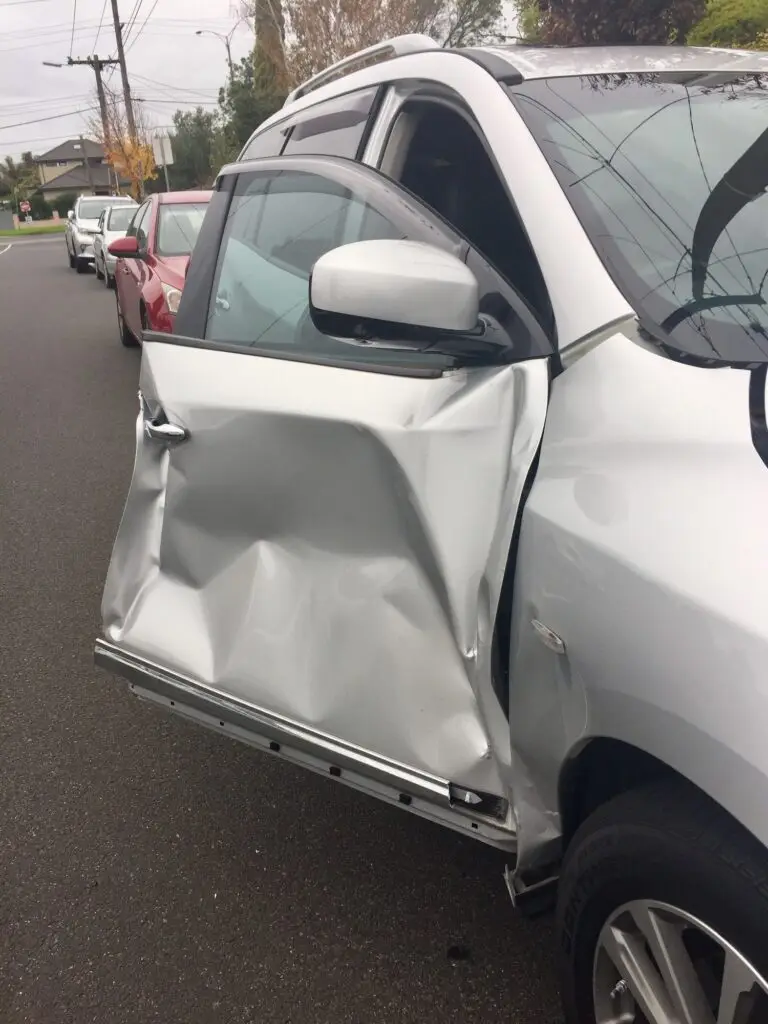
A car accident can leave you injured, overwhelmed, and unsure what to do next. The steps you take in the first few hours and days can directly affect your health, insurance claim, and legal rights.
This guide explains exactly what to do after a car accident in California in 2026.
Table of Contents
ToggleQuick Answer
After a car accident in California, move to safety, call 911 if anyone is injured, seek medical attention, exchange information, take photos, notify your insurance company, and speak with a California car accident attorney before accepting any settlement.
California Car Accident Statistics for 2026
California remains one of the busiest driving states in the country.
According to the California Office of Traffic Safety and the National Highway Traffic Safety Administration:
- Thousands of people are killed in California traffic crashes every year.
- More than 200,000 people are injured annually in reportable collisions.
- Los Angeles County consistently reports some of the highest collision totals in the state.
- Distracted driving, speeding, impaired driving, and failure to yield remain leading causes of crashes.
These numbers show why knowing your legal rights is important.
Step 1: Move to a Safe Location
If your vehicle can be moved safely, pull over to the shoulder or another secure area.
Turn on your hazard lights.
If the vehicle is unsafe to move, remain inside if staying there is safer than standing in traffic.
Safety Tips
- Stay calm.
- Check yourself and passengers for injuries.
- Keep children inside the vehicle when possible.
- Do not stand in active traffic lanes.
Step 2: Call 911
Call 911 immediately if:
- Anyone is injured.
- A driver appears intoxicated.
- The accident is blocking traffic.
- There is significant property damage.
- The other driver leaves the scene.
A police report can become critical evidence when proving fault.
Step 3: Seek Medical Attention Right Away
Even if you feel fine, injuries may not appear immediately.
Common delayed symptoms include:
- Whiplash
- Concussion
- Soft tissue injuries
- Internal bleeding
- Back and neck injuries
Why Immediate Medical Care Matters
Insurance companies often argue that delayed treatment means the injury was minor or unrelated.
Prompt treatment creates medical records linking your injuries to the crash.
Step 4: Exchange Information
Get the following information from all involved drivers:
- Full name
- Phone number
- Address
- Driver’s license number
- License plate number
- Insurance company
- Insurance policy number
Also note:
- Vehicle make and model
- Location of the collision
- Time and date
Step 5: Take Photos and Videos
Use your phone to document everything.
Photograph:
- All vehicle damage
- License plates
- Skid marks
- Traffic signs
- Weather conditions
- Road debris
- Visible injuries
Video Tips
Walk around the scene and narrate what happened.
Visual evidence often becomes decisive in disputed cases.
Step 6: Talk to Witnesses
Independent witnesses can strengthen your claim.
Ask for:
- Names
- Phone numbers
- Email addresses
If they are willing, record a brief statement.
Step 7: Avoid Admitting Fault
Do not say:
- “It was my fault.”
- “I didn’t see you.”
- “I’m sorry.”
Even polite statements can be used against you.
Stick to factual information only.
Step 8: Notify Your Insurance Company
Most policies require prompt notice.
Provide:
- Date and location
- Vehicles involved
- Basic description of the crash
Do not speculate about fault.
Do not provide a recorded statement to the other driver’s insurer without legal advice.
Step 9: File Form SR-1 If Required
California law generally requires drivers to report a crash to the DMV within 10 days if:
- Someone was injured or killed, or
- Property damage exceeded the state reporting threshold.
Failure to file may lead to license suspension.
Step 10: Preserve Evidence
Keep all records related to the accident.
Important Documents
- Medical records
- Bills and receipts
- Police report
- Repair estimates
- Rental car receipts
- Pay stubs showing lost wages
- Insurance correspondence
Step 11: Track Your Damages
Your compensation may include more than vehicle repairs.
Economic Damages
- Medical expenses
- Future treatment costs
- Lost wages
- Reduced earning capacity
- Property damage
Non-Economic Damages
- Pain and suffering
- Emotional distress
- Loss of enjoyment of life
Step 12: Be Careful With Insurance Adjusters
Insurance companies aim to minimize payouts.
Common tactics include:
- Requesting broad medical authorizations
- Asking leading questions
- Offering quick low settlements
- Arguing your injuries are minor
Never accept a settlement before understanding the full extent of your injuries.
Step 13: Understand California Comparative Negligence
California follows a pure comparative negligence system.
If you are partially at fault, your compensation is reduced by your percentage of responsibility.
Compensation = Total Damages × (1 − Fault Percentage)
Example
If your damages are $100,000 and you are 20% at fault, you may still recover $80,000.
Step 14: Know the Statute of Limitations
In many California personal injury cases, you generally have two years from the date of the accident to file a lawsuit.
Different deadlines may apply when:
- A government vehicle is involved.
- The injured person is a minor.
- The claim involves wrongful death.
Missing a deadline can permanently bar your claim.
Step 15: Contact a California Car Accident Lawyer
An attorney can:
- Investigate the crash
- Collect evidence
- Handle insurance negotiations
- Calculate damages
- File a lawsuit if necessary
Most personal injury lawyers work on a contingency fee basis, meaning there are no attorney fees unless money is recovered.
Special Considerations for Los Angeles Drivers
Los Angeles has heavy traffic and a high number of accidents involving:
- Freeway collisions
- Rear-end crashes
- Hit-and-run accidents
- Rideshare vehicles
- Commercial trucks
- Motorcycles
A local Los Angeles car accident lawyer may understand local courts, insurers, and common accident patterns.
What if the Other Driver Has No Insurance?
You may still recover compensation through:
- Uninsured motorist coverage
- Underinsured motorist coverage
- A direct lawsuit against the driver
Review your policy carefully.
What if You Were Hit by an Uber or Lyft Driver?
Rideshare accidents can involve multiple insurance policies depending on whether the driver was:
- Offline
- Waiting for a ride request
- Carrying a passenger
These claims are often more complex and may require legal assistance.
Common Mistakes to Avoid
- Delaying medical treatment
- Failing to document the scene
- Posting on social media
- Accepting a quick settlement
- Missing legal deadlines
- Speaking to insurers without preparation
When Should You Call a Lawyer?
You should contact an attorney if:
- You suffered significant injuries.
- Liability is disputed.
- The insurer denies your claim.
- You miss work.
- A truck, rideshare, or government vehicle was involved.
- A loved one was killed.
How Much Does a Car Accident Lawyer Cost?
Most California personal injury lawyers offer:
- Free consultation
- No upfront fees
- Contingency-based representation
This allows injured victims to obtain legal help without paying out of pocket.
Why Early Legal Advice Matters
Evidence can disappear quickly.
- Witness memories fade.
- Surveillance footage may be deleted.
- Vehicle damage may be repaired.
- Electronic data may be lost.
The sooner an attorney begins working on your case, the stronger your claim may be.
Frequently Asked Questions
Should I call the police after a minor car accident in California?
Yes. A police report can help establish what happened and may strengthen your insurance claim.
How long do I have to file a car accident lawsuit in California?
Many cases are subject to a two-year filing deadline, although exceptions may apply.
Should I see a doctor even if I feel okay?
Yes. Many injuries appear hours or days after the accident.
Can I recover compensation if I was partly at fault?
Yes. California’s comparative negligence rules allow recovery even if you share responsibility.
How much does it cost to hire a personal injury lawyer in Los Angeles?
Most attorneys work on contingency, meaning there are no attorney fees unless compensation is recovered.