

Are you struggling with serious injuries after a truck accident in Los Angeles, CA? An experienced Los Angeles truck accident lawyer at M&Y Personal Injury Lawyers can help you demand compensation from the responsible parties. Contact our law office in Los Angeles, CA at 866-864-5477 to schedule a free consultation today.
You may be entitled to compensation for medical bills, loss of wages, and more. Don’t let the insurance companies push you around.
Since we were founded back in 2004, we’ve recovered hundreds of millions of dollars on behalf of accident victims across Southern California. We’d be proud to stand up for you.
 Your future is too important to trust just any attorney. Get in touch with our skilled lawyers to learn more about our legal services today.
Truck accident cases can be complicated. It’s crucial to do everything you can to protect your legal rights after a crash. Hiring a Los Angeles personal injury lawyer is one of the most important things you can do to defend yourself.
At M&Y Personal Injury Lawyers, we’ve helped countless clients secure proper financial settlements over the years. Our award-winning legal team has earned a spot on the Multi-Million Dollar Advocates Forum and National Trial Lawyers Top 100 Trial Lawyers. Our jury verdicts have also been ranked among the top 20 in California.How Can a Truck Accident Lawyer Help?
 Hiring a truck accident attorney allows you to rest and recover as they handle the legal side of things. A lawyer can handle all aspects of your case from start to finish.
In some cases, you’ll initially need to deal with either your or the other party’s adjuster. An attorney can help you with this process and can ensure that your interests are put first. They can prevent the other side from manipulating you into taking an unfair settlement.
If necessary, a lawyer can represent you in court to make sure you’re fairly compensated after being injured. Most cases do not reach trial, but bringing a case to court is an excellent bargaining chip considering the information discovery could reveal.
During your free consultation, our truck accident attorneys in Los Angeles, CA can inform you as to how we can help your case specifically.
How Common Are Truck Accidents in LA?
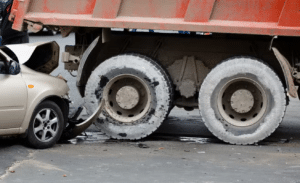
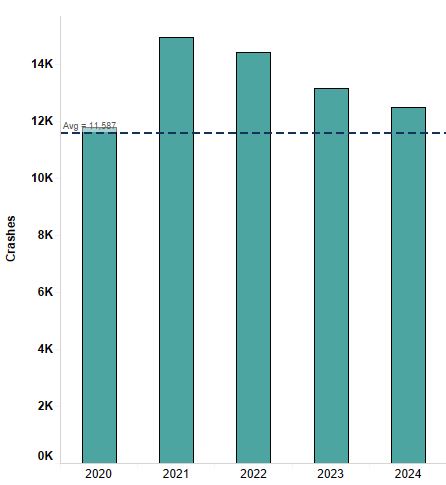
Unfortunately, the Federal Motor Carrier Safety Administration (FMCSA) reported 4,308 fatalities arising from large truck and bus accidents in 2024. There were over 170,000 large commercial vehicle accidents that year.
Trucks provide vital services here in Southern California. In fact, trucking is one of the most common occupations in the state.
In California, 315 people were killed in accidents involving big rigs, semi-trucks, and tractor-trailers in 2024.
Common Causes of Truck Accidents

The FMCSA Large Truck Crash Causation study found that about 87% of all trucking accidents are caused by negligence, and about 10% happen because of faulty truck parts.
Of course, many different factors can contribute to the cause of a truck wreck. Truck operators spend many hours behind the wheel. Many violate FMCSA hours-of-service rules to deliver their cargo on time.
Some of the most common causes of truck accidents include:
- Distracted or aggressive driving
- Fatigued truck drivers
- Failure to account for the truck’s longer stopping distances
- Failure to yield the right-of-way
- Excessive speeds
- Dangerous lane changes and turns
- Common traffic violations, like running a red light or stop sign
- Drunk driving
- Driving under the influence of drugs
- Inexperienced or unqualified truck operators
- Faulty brakes or worn tires
- Failure to regularly inspect the truck for defects
- Violating state and federal safety regulations
Dangerous truck cargo can also lead to an accident, especially if the “tractor” isn’t properly connected to the “trailer” portion of the vehicle.
Common Truck Accident Injuries

An accident with a large truck can cause devastating injuries. Trucks are large, heavy and unforgiving in a collision.
At M&Y Personal Injury Lawyers, our lawyers in LA often represent victims who have suffered:
- Traumatic brain injuries
- Spinal cord injuries
- Severe burns
- Amputations
- Broken bones
- Nerve damage
- Whiplash
- Soft tissue damage
- Head and neck injuries
- Concussions
- Internal injuries
- Crushing injuries
- Chest injuries
- Back injuries
- Paralysis, including quadriplegia and paraplegia
- Catastrophic injuries
- Wrongful death of a loved one
Insurance adjusters will try to downplay the extent of your injuries. That’s why it’s always necessary to have a skilled attorney review your case before agreeing to a settlement.
Contact our law firm for a free case review to know more about how our skilled attorneys can fight for the legitimate reimbursement you deserve.

Don’t expect the insurance company to hand over a fair check after a crash. You’ll have to know how much your case is worth and demand that compensation during negotiations.
However, calculating the value of a personal injury case is always a challenge. Fortunately, our lawyers have years of experience handling cases like yours.
To estimate your case value, our lawyers will first conduct a full investigation. We’re ready to get started today, so don’t hesitate to contact us for a free consultation.
Truck Accident Statute of Limitations in California
The statute of limitations in our state gives you two years to file an injury lawsuit if you sustained injuries in a truck wreck. That might seem like a lot of time, but you shouldn’t underestimate the complexity of a truck accident investigation.
It will take time to locate evidence to build your case and determine who was at fault for the wreck.
That said, it’s always a good idea to speak with a skillful accident attorney sooner rather than later.
Compensation for Truck Accident Victims in California

Victims can seek compensation for all losses suffered because of the crash. Generally speaking, damages are classified according to whether they represent economic or non-economic damages.
At M&Y Personal Injury Lawyers, we’ll fight to get you compensation for:
- Past and upcoming medical expenses
- Lost earnings while you recover
- Diminished future earning potential
- Rehabilitation
- Nursing care and in-home assistance
- Property damage
- Pain and suffering
- Mental anguish
- Loss of enjoyment of life
- Disfigurement and scarring
- Mental health issues, including anxiety, depression, and PTSD
- Loss of consortium
It’s also possible that you might recover punitive damages. The Golden State’s juries might award these to punish the at-fault party for gross negligence or intentional disregard for human life. For example, if the incident happened because the truck driver was drunk, punitive damages may be available.
If you were injured while driving the truck, our lawyers can help you get workers’ compensation benefits.
Comparative Negligence in California Truck Accident Cases
 Under the pure comparative negligence law in our state, you can recover compensation even if you were partially at fault for a truck accident.
You should still take it seriously if the insurance company tries to blame you. While you can get compensation if you’re partly to blame, your reimbursement will be reduced to account for your share of fault.
Under the pure comparative negligence law in our state, you can recover compensation even if you were partially at fault for a truck accident.
You should still take it seriously if the insurance company tries to blame you. While you can get compensation if you’re partly to blame, your reimbursement will be reduced to account for your share of fault. How Do I Prove Negligence After a Truck Accident in California?

To demonstrate negligence, you’ll need evidence. The trucking company will send someone to investigate the incident site immediately. Our Los Angeles truck accident attorneys at M&Y Personal Injury Lawyers can do the same.
As we conduct our investigation, we’ll look for:
- Eyewitnesses
- Video surveillance footage from dash cams and traffic lights
- Police reports
- Police toxicology reports
- The truck driver’s hours-of-service log
- The truck company’s maintenance and inspection records
- The driver’s commercial driver’s license (CDL)
- Evidence of past safety violations
- The truck’s black box recording device, which records the truck’s speed and other information about the truck’s movement at the time of the collision
We’ll also work with leading experts who can analyze physical data from the crash site, including skid marks and vehicle damage.
In most car accident cases, one of the drivers is usually responsible for paying damages. Truck accident claims are different. Many different parties can contribute to the cause of an accident. Each can be held accountable for their share of the blame.
These might include:
- The trucking company
- Mechanics and truck maintenance companies
- The owner of the trailer
- Companies responsible for securing the truck cargo
- Manufacturers of defective truck parts
- Third-party operators
- Employers of negligent parties
Even if the truck driver’s negligence caused the accident, the trucking company may be held liable. That’s because California employers are liable for the negligent acts of employees on the job.
Contact a Los Angeles Truck Accident Lawyer for a Free Consultation

Were you injured in an accident involving a large commercial truck, semi, or tractor-trailer? Get in touch with an experienced Los Angeles truck accident attorney at M&Y Personal Injury Lawyers.
We’re always available to sit down and discuss your case. Even better, we offer free initial consultations so you can get the legal advice you need.

