
Why Choose M&Y After a Car Turned in Front of Your Motorcycle?
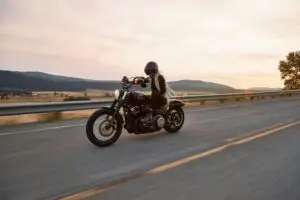 These claims involve a specific factual reconstruction: where each vehicle was, what the driver saw from the driveway or intersection, and how much time the rider had before the path was blocked. M&Y builds cases around that timeline rather than accepting the driver’s account at face value.
M&Y’s prior insurance-defense experience is useful when a claim involves disputes over rider speed, reaction time, or evasive action. We recognize those arguments and prepare the evidence that addresses them.
M&Y has recovered over $1 billion for California injury victims across more than 100 years of combined legal experience. Every client works directly with an attorney from intake through resolution. The firm has earned national recognition and more than 1,400 five-star reviews from former clients.
M&Y operates on a contingency fee, so you pay no attorney fees unless we recover compensation. Consultations are free and available 24/7.
Contact us or call 866-864-5477.
What Happens When a Car Pulls Into a Motorcycle’s Path?
These crashes include driveway exits, parking-lot departures, side-street turns, U-turns, and no-contact evasive crashes. The recurring question is whether the vehicle entered the roadway when the motorcycle was close enough to create a hazard.
The maneuver changes the evidence, but timing, vehicle position, and sight lines remain central.
|
How the Vehicle Entered the Rider’s Path |
Central Question |
Evidence That Matters |
|
Car exits a driveway |
Did the driver see approaching traffic before entering? |
Sight lines, surveillance, parked vehicles, witnesses |
|
Vehicle leaves a shopping-center lot |
Where was the motorcycle when the car entered the road? |
Business cameras, vehicle positions, roadway geometry |
|
Driver makes a U-turn |
How much of the roadway did the maneuver block? |
Video, lane layout, vehicle movement, witnesses |
|
Car turns from a side street |
Did the vehicle enter before enough space existed? |
Sight distance, surveillance, final positions |
|
Rider swerves without contact |
Did the vehicle’s movement force the evasive maneuver? |
Video, witnesses, roadway evidence, crash location |
Can You Have a Claim if the Car Never Hit the Motorcycle?
 Physical contact is not the same as causation. A rider can crash while braking or swerving to avoid a vehicle that entered the travel lane without ever touching that vehicle.
No-contact crashes involve a rider who:
- Brakes hard and loses control of the motorcycle
- Swerves into another lane and strikes a different vehicle
- Leaves the roadway and hits a curb or object
- Lays the motorcycle down to avoid the turning car
The key question is whether the vehicle’s movement caused the evasive action and resulting crash. Because there is no direct vehicle-to-vehicle damage, surveillance footage, witness accounts, and the crash location become especially important.
Call 866-864-5477 to discuss a no-contact motorcycle crash with M&Y.
How Do Sight Lines Affect a Car-Pulling-Out Motorcycle Crash?
The physical layout of the location where the driver entered the roadway shapes the entire investigation. A driver leaving a driveway flanked by parked SUVs has a different view of approaching traffic than a driver exiting an open parking lot with clear sight lines in both directions.
Useful evidence for a sight-line investigation includes:
- Photographs taken from the driver’s position at the driveway or property exit
- Surveillance video showing the driver’s approach to the roadway
- Measurements of curb setback, driveway angle, and roadway width
- The location and size of parked vehicles, signs, or landscaping that blocked the view
- Whether the driver needed to creep forward past an obstruction before seeing oncoming traffic
The physical layout answers questions that the driver’s statement does not. A driveway with a wall two feet from the curb and a parked truck beside it tells a very different story than one with clear visibility in both directions. The investigation reconstructs what the driver actually had the opportunity to see before committing to the maneuver.
A statement that the driver never saw the motorcycle does not resolve fault. The evidence establishes what the driver had the opportunity to see from the driveway or side street, where the motorcycle was, and how long the driver had before entering the rider’s path.
What Evidence Shows When the Car Entered the Rider’s Path?
 The central factual question in every car-pulling-out motorcycle crash is when the vehicle entered the roadway relative to the motorcycle’s position. Reconstructing that timeline requires evidence from the location itself, not just the drivers’ statements.
Storefront and business surveillance can be especially useful when it captures both the vehicle’s exit from the property and the motorcycle’s approach. That footage establishes the timing relationship that the entire claim depends on.
Additional evidence that strengthens the reconstruction includes:
- Dashcam footage from either vehicle or nearby traffic
- Witness accounts from pedestrians or other drivers
- The motorcycle’s final resting position relative to the driveway or intersection
- Damage to the motorcycle and the car showing the angle and point of impact
- Roadway marks showing where the rider braked, swerved, or left the travel lane
- Police or CHP documentation of the scene
When no video exists, the physical evidence carries the investigation. Impact location on the turning vehicle, the distance between the driveway and the crash point, and the motorcycle’s damage pattern all help establish the sequence. M&Y compares the driver’s account with the physical layout, vehicle positions, and available witness evidence to determine whether the timeline supports the claim.
What Injuries Follow When a Car Turns in Front of a Motorcycle?
A rider can be injured by striking the turning vehicle, falling during hard braking, or colliding with another object during an evasive maneuver. Each mechanism produces different injuries and different medical documentation.
Motorcycle-specific injuries from these crashes include traumatic brain injury, fractures, leg and pelvic injuries, shoulder and arm damage, spinal injuries, road rash, internal injuries, and permanent scarring.
What Compensation Do Riders Pursue After a Turning-Vehicle Motorcycle Crash?
Compensation depends on the losses caused by the crash and whether those losses are supported by evidence. Documented categories include emergency and hospital treatment, surgery, rehabilitation, future medical care, lost income, reduced earning capacity, pain and suffering, disability, scarring, motorcycle damage, and destroyed riding gear. M&Y documents these losses throughout the case and connects each one to the specific collision evidence.
Where Do These Motorcycle Crashes Happen in Los Angeles?
Los Angeles surface streets create these conflicts at commercial driveways, parking structures, and side-street entrances. On multilane roads such as Wilshire Boulevard, Ventura Boulevard, and Sunset Boulevard, the investigation focuses on the specific driveway, sight lines, and vehicle movements rather than assuming the location itself explains the crash.
How Long Do You Have to File a California Motorcycle Accident Claim?
California Code of Civil Procedure § 335.1 generally gives an injured person two years from the date of injury to file a personal injury lawsuit. Different rules and shorter procedural deadlines apply in some situations, including claims involving a government entity.
Do I Need a Lawyer After a Car Pulled in Front of My Motorcycle?
Legal representation is particularly useful when the crash involves substantial injuries, a no-contact collision, disputed speed, limited video, sight-line questions, or an insurer contending the rider had time to avoid the vehicle. These factors all affect how the claim is evaluated and what evidence the investigation needs to develop.
A no-contact crash presents special challenges because there is no direct physical link between the vehicles. Proving that the other driver’s maneuver caused the rider to take evasive action requires evidence from the scene, witnesses, or surveillance rather than from the vehicles themselves.
M&Y’s Los Angeles motorcycle accident lawyers handle turning-vehicle claims alongside other serious motorcycle collisions across Southern California.
What Does the First Conversation With M&Y Cover?
 A turning-vehicle motorcycle crash leaves riders dealing with injuries, damage, and an insurer focused on whether the rider had time to react. The first step is reviewing where the vehicle entered the roadway, what evidence exists from the location, and whether the physical record supports the rider’s account.
M&Y Personal Injury Lawyers reconstructs turning-vehicle motorcycle crashes using surveillance footage, sight-line evidence, vehicle positions, and damage patterns. The firm has recovered over $1 billion for California accident victims, and you pay no attorney fees unless we recover compensation.
Contact M&Y Personal Injury Lawyers or call 866-864-5477 for a free consultation. We are available 24/7.