Quick Answer: Injured at a Thanksgiving Parade or Holiday Event
If you are injured at a Thanksgiving parade or holiday event in California, you may have a personal injury claim against one or more parties—such as the event organizer, a city or county, a business sponsor, or an at-fault driver—if their negligence created or failed to correct a dangerous condition. You can often pursue compensation for medical bills, lost wages, and pain and suffering through liability insurance, but these cases are time-sensitive and complex, especially when government entities are involved, so contacting an experienced firm like M&Y Law Company as soon as possible is critical.
Table of Contents
ToggleTable of Contents
Thanksgiving Parades and Holiday Events: Why Injuries Happen
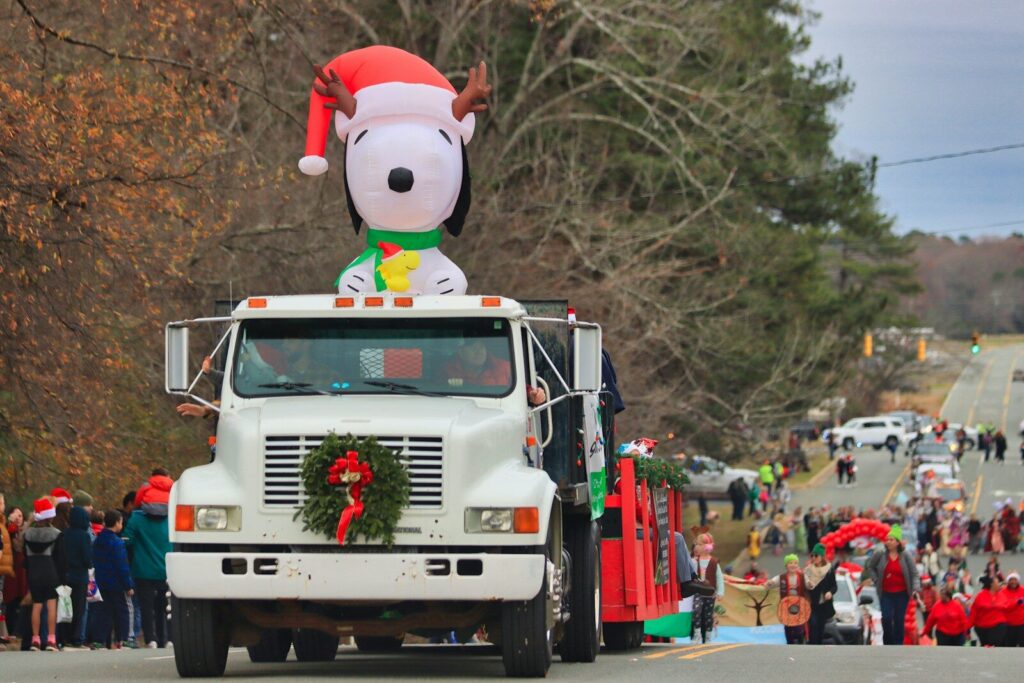
November launches parade and festival season: Thanksgiving Day parades, tree-lighting ceremonies, turkey trots, street fairs, and holiday markets draw crowds into busy streets and public spaces. That festive atmosphere can mask serious risks—overcrowded sidewalks, unclear pedestrian routes, vehicles moving near foot traffic, large floats or balloons, temporary stages and bleachers, and distracted participants all increase the chance of injury.
Injuries can happen in many ways: a trip on a poorly placed cable, a fall from unstable bleachers, being struck by a vehicle or float, being crushed in a crowd surge, or being hit by falling decorations or equipment. Sometimes weather plays a role—rain-slicked pavement or high winds that push floats or structures off course—but the key legal question is almost always the same: did someone responsible for planning or running the event unreasonably expose you to danger?
Who Can Be Held Liable After a Parade or Event Injury?
Parade and event claims often involve multiple potential defendants. The city or county that issued the permit and controls the streets may be responsible for the overall safety plan, traffic control, and crowd barriers. Private event organizers—parade committees, nonprofits, or marketing companies—can be liable for poor planning, inadequate security, or unsafe staging. Business sponsors with floats, trucks, or promotional setups may be responsible if their vehicles, employees, or equipment contributed to the hazard.
In some cases, a specific driver (for example, the person operating a parade vehicle) or a private property owner along the route (whose steps, walkways, or viewing platforms failed) can also share fault. Determining who is legally responsible requires investigating permits, contracts, safety plans, and witness accounts. An experienced attorney will work through these layers to identify all possible sources of insurance coverage.
FAQ: What If My Injury Involved a City or County?
When your claim involves a government entity—like a city, county, or public agency—special rules apply. Instead of the standard two-year statute of limitations that typically governs personal injury cases in California, you usually must file a governmental claim within a much shorter window, often six months from the date of injury. Missing this early deadline can bar your claim entirely, even if your case is otherwise strong.
Government claims also require specific forms and information, and they are often rejected initially, which triggers a separate lawsuit deadline. Because parade routes, street closures, and police-managed crowd control are often run by public entities, it is very common for government to be at least one target in a Thanksgiving parade injury case. This is why prompt legal advice is especially important when an injury occurs in a public street setting.
Common Types of Injuries at Thanksgiving Parades and Events
Crowded public events can cause everything from minor scrapes to life-changing harm. Common injuries include fractures from falls (hip, wrist, ankle, and arm fractures are typical after tripping on curbs, cables, or uneven pavement), concussions and other traumatic brain injuries from falls or being struck by objects, sprains and strains caused by crowd surges or sudden pushes, and lacerations from broken glass, metal, or decorations. Serious injuries also occur when people are hit by vehicles or floats; these can involve pelvic fractures, internal injuries, spinal cord damage, and, in worst cases, wrongful death.
Children and older adults are particularly vulnerable; kids can slip under barriers or get too close to vehicles or floats, while older adults may have more brittle bones and slower reaction times. Even injuries that seem minor onsite—like a “bump on the head” or sore back—can evolve into significant medical issues later, which is why medical evaluation and careful follow-up are so important after an incident.
What to Do Immediately After a Parade or Event Injury
The moments after an injury at a Thanksgiving parade or holiday event are chaotic, but a few key steps can dramatically strengthen your claim. First, seek medical attention. Call 911 for serious injuries, or go to urgent care or an emergency room as soon as possible the same day. Even if your symptoms seem mild, having a professional evaluation creates medical records that link your condition to the event.
Next, report the incident. If law enforcement is present, ask for an officer and request that a report be made, noting the exact location, time, and how you were injured. If there is an event booth, information table, or security team, notify them as well and ask how to document what happened. Take photos or video of the hazard and surrounding area: barriers, crowding, vehicle positions, spills, debris, or broken structures. If anyone witnessed the incident, collect their names and contact information before people disperse.
FAQ: Should I Talk to the Event Organizer’s or City’s Insurance?
If someone from the event or city—or an insurance adjuster—contacts you and asks for a recorded statement, you are generally better off declining until you have spoken with a lawyer. These statements are not neutral; they are often used to limit payouts by getting you to downplay your injuries, accept partial blame, or agree to details you are not totally sure about. Once recorded, your words can be taken out of context later.
A better approach is to provide only basic, necessary information (like your name and how to reach you) and then direct all further questions to your attorney. A lawyer can communicate the facts in a controlled, strategic way, protecting your claim while still moving the process forward.
How Liability Is Proven in Parade and Event Cases
To succeed in a Thanksgiving parade or event injury claim, your legal team must show that a responsible party had a duty to keep you reasonably safe, breached that duty, and that the breach caused your injury. In practice, this means examining how the event was planned and executed. Were barriers adequate to keep spectators away from moving vehicles? Were cables, lighting, and sound equipment secured and marked? Did the plan account for expected crowd sizes, emergency exits, and weather risks?
Evidence might include permits, contracts between the city and organizers, safety plans, photos and video, witness statements, and expert analysis from event safety or traffic engineers. In some cases, prior incidents at the same parade or complaints about unsafe conditions can help show that the risk was known and ignored.
FAQ: What If I Was in the Street or Ignored a Barrier?
Even if you stepped into the street or got closer than you should have to a float or performance, you may still have a claim. California uses a comparative negligence system, which means your own share of responsibility—if any—is weighed against the negligence of others. Your compensation can be reduced by your percentage of fault, but it is not automatically eliminated.
For example, if a jury decides the event failed to provide adequate barriers and crowd control and assigns them 70% of the blame, while finding you 30% responsible for entering a restricted area, you could still recover 70% of your total damages. This is another reason insurers try hard to push fault onto you; having a lawyer to gather full context and present your side is crucial.
Damages You Can Recover After a Parade or Event Injury
If the negligence of an organizer, city, business, or driver caused your injury, you may be entitled to several categories of damages. Economic damages include your medical bills (ER care, hospital stays, imaging, surgery, physical therapy, prescriptions), future medical expenses if you need ongoing treatment, lost wages for time off work, and loss of earning capacity if your injuries affect your long-term ability to work. Documentation like bills, pay stubs, tax returns, and employer statements all support this.
Non-economic damages—sometimes called “pain and suffering”—cover the human impact of the injury: physical pain, emotional distress, anxiety in crowds or around vehicles, loss of enjoyment of life, and the ways your daily routine and relationships have been affected. In severe cases, permanent disability or disfigurement can significantly increase both types of damages. Families who lose a loved one may pursue a wrongful death claim for funeral costs and loss of financial and emotional support.
FAQ: How Long Do I Have to File a Claim?
If your claim is against a private organizer, business, or individual, the general statute of limitations for personal injury in California is often two years from the date of the injury (there are exceptions, such as for minors or late discovery of certain harms). However, if your claim involves a public entity—like a city, county, or public agency that controlled the parade route—you may need to file a formal government claim within about six months of the incident, with a later deadline to file suit if that claim is denied.
Because many parade and event claims have both private and public defendants, it is risky to rely on general rules or wait until you “feel better” to talk to a lawyer. Speaking with an attorney quickly helps ensure every relevant deadline is identified and met.
How M&Y Law Company Helps Thanksgiving Parade and Event Victims
Thanksgiving parade and event cases are different from routine slip-and-fall or auto collisions. They often involve crowded public streets, multiple agencies, temporary structures, and complicated questions about who was responsible for safety at the time you were hurt. M&Y Law Company understands these complexities and is prepared to move fast: preserving evidence before it disappears, requesting video footage, locating witnesses, and obtaining documents from organizers and government bodies.
The firm will also work closely with your medical providers to fully understand your injuries, future care needs, and how this incident has affected your life. That information is then used to build a detailed demand package and negotiate with insurers. If settlement talks fail or a public entity digs in its heels, M&Y is ready to litigate—filing on time, managing discovery, and presenting your case in court when necessary.
If a Thanksgiving parade or holiday event left you injured this season—whether you were a spectator, volunteer, or participant—you do not have to navigate the aftermath alone. Contact M&Y Law Company for a free, no-obligation consultation to learn your rights, protect critical deadlines, and start building a path toward fair compensation while you focus on healing.